Medical Waste Solutions: Expert Cleanup Standards by American Family Bioclean
Lakeland, United States – March 4, 2026 / Moving Service Marketing Company /
Handling medical waste requires careful planning, strict safety practices, and proper disposal procedures. In Florida, property owners and facility managers must act quickly to reduce health risks and prevent contamination when hazardous materials are present. From identifying biohazardous materials to following regulated transport and disposal methods, every step plays a role in protecting occupants and restoring safe conditions. This guide explains the professional protocols for safely managing medical waste and returning spaces to a secure, usable state.
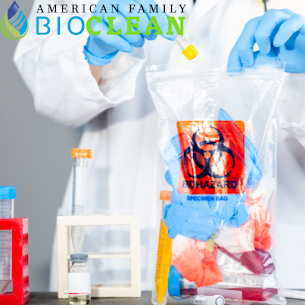
American Family Bioclean: Floridian Medical Waste Management
Operating across Florida, American Family Bioclean serves a wide range of healthcare providers, including hospitals, outpatient clinics, dental offices, laboratories, and research facilities. Their work extends beyond routine waste removal. They implement structured protocols that prioritize safety, regulatory compliance, and environmental responsibility.
Medical waste presents serious health risks when mishandled. Exposure to infectious materials, sharps injuries, and environmental contamination can occur if procedures are not followed carefully. Their structured approach reduces these risks at every stage of handling and disposal.
A key part of their service is customization. Healthcare facilities produce different volumes and types of waste depending on their size and specialty. Tailors on-site collection schedules, container types, and storage solutions to match each facility’s needs. This prevents overflow, improper segregation, and potential regulatory violations.
Secure transportation is another critical step. Specialized vehicles equipped with tracking systems allow continuous monitoring during transit. This improves security and ensures rapid response if an incident, such as a spill or accident, occurs. Tracking also provides transparency and reassurance that hazardous materials are handled responsibly.
Treatment methods extend beyond traditional incineration. Advanced autoclave systems use high-pressure steam sterilization to neutralize infectious materials before final disposal. This process reduces harmful emissions commonly associated with burning waste while maintaining effective decontamination.
Core services include:
-
On-site waste collection: Scheduled and customized for facility output
-
Secure transportation: Tracked transport to licensed treatment facilities
-
Waste treatment: Autoclaving and incineration for complete decontamination
This comprehensive approach helps healthcare providers maintain compliance, reduce risks, protect staff and patients, and support environmental stewardship.
Safety Regulations and Compliance
In Florida, medical waste management is governed by strict safety regulations designed to protect healthcare environments and surrounding communities. The Florida Department of Health outlines biomedical waste requirements under Chapter 64E-16, which specifies how waste must be handled, stored, transported, and disposed of.
These regulations require secure containment, proper labeling, and strict segregation of waste types to prevent exposure to infectious materials. For example, sharps must be placed in puncture-resistant containers, while other biohazards require leak-proof packaging and clear identification.
Each stage of handling must follow established protocols. Storage conditions must prevent bacterial growth, and containers must remain sealed and intact. Non-compliance can result in fines, legal action, and increased contamination risks.
Companies that handle medical waste invest heavily in staff training to ensure procedures are understood and consistently followed. Safe practices become routine rather than optional steps.
Improper disposal presents real dangers. Studies have shown that mishandled medical waste can increase the risk of healthcare-associated infections and expose workers and the public to contaminated materials. Safe disposal practices protect not only healthcare staff but also sanitation workers and the broader community.
Strict compliance also reduces financial and reputational risks for healthcare providers. Violations can lead to legal liabilities and operational disruptions. Thorough documentation, routine audits, and traceability systems ensure accountability from collection through disposal.
Healthcare providers benefit from working with partners that demonstrate consistent compliance and ongoing staff education. These measures support a culture of safety and readiness while adapting to evolving regulations.
Adhering to Legal Standards
Legal compliance is central to medical waste handling. Regulations protect workers, the public, and the environment from hazardous exposure.
The Occupational Safety and Health Administration establishes standards for worker protection, including required protective equipment and procedures that minimize exposure risks. The Environmental Protection Agency regulates environmental safeguards governing transportation, treatment, and disposal practices.
Compliance requires more than awareness of rules. It involves integrating regulatory requirements into daily operations. Regular training ensures personnel stay current with evolving standards, while internal inspections verify adherence and identify potential issues early.
Documentation is equally important. Waste tracking logs, training certifications, and inspection reports provide accountability and support regulatory audits. Detailed records help identify inefficiencies and strengthen operational reliability.
Medical waste may also contain sensitive information. The Health Insurance Portability and Accountability Act sets standards for protecting patient information. Labels, packaging, and documentation must be handled carefully to prevent unauthorized disclosure.
By integrating workplace safety, environmental protection, and privacy requirements, medical waste cleanup providers create systems that promote operational excellence and public trust.
Specialized Cleanup Process
The cleanup protocol is designed to safely and efficiently manage medical waste while minimizing risk.
The process begins with a thorough site assessment. Trained professionals identify waste types and volumes, including sharps, pathological waste, contaminated materials, and pharmaceuticals. Each category requires specific handling procedures.
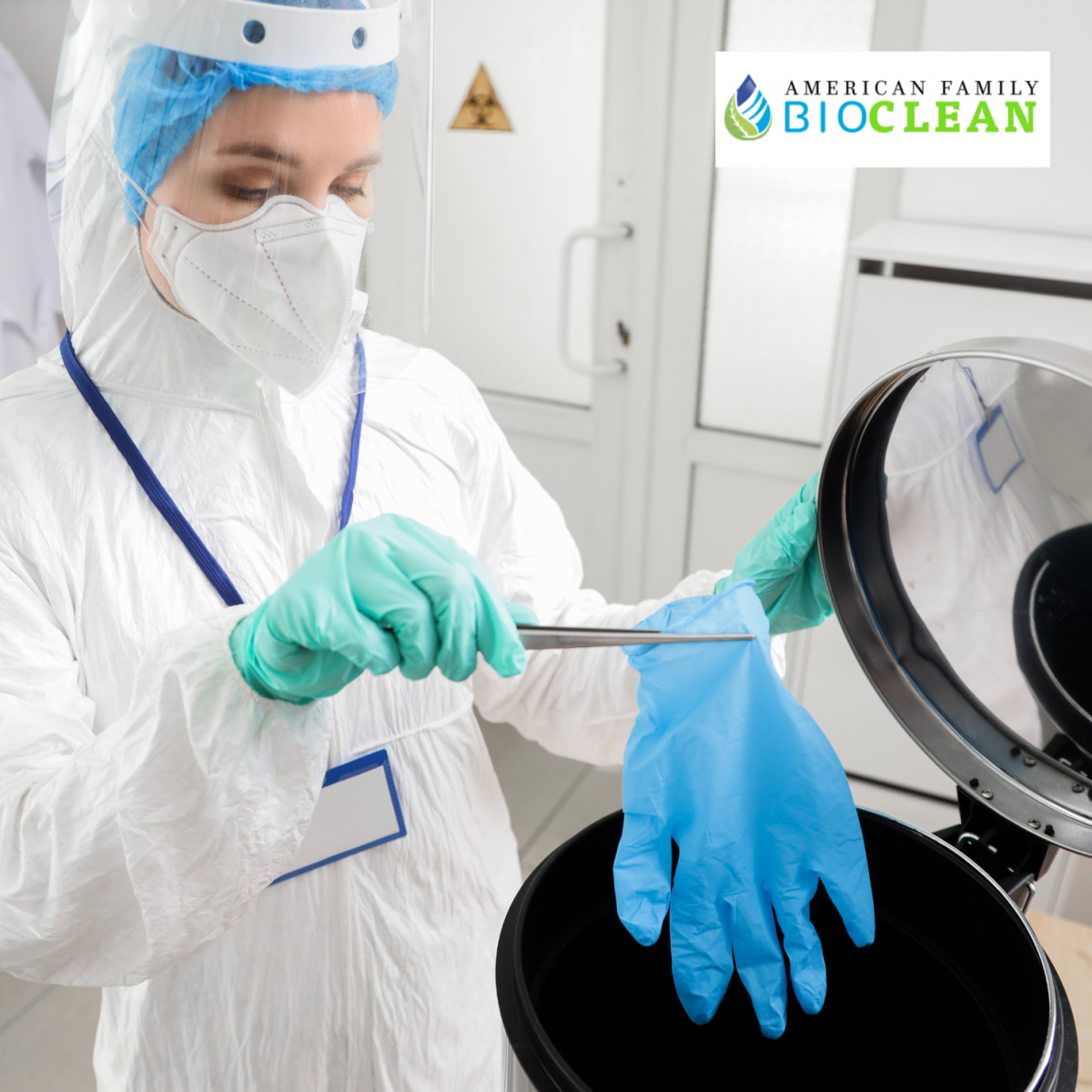
Once the assessment is complete, preparation begins. Waste is segregated and labeled according to hazard level and regulatory requirements. Sharps are placed in puncture-resistant containers, while chemical or pharmaceutical waste is packaged using appropriate containment methods. Clear labeling ensures safe handling throughout transport and treatment.
Containment follows preparation. Specialized medical waste containers are leakproof, puncture-resistant, and built to withstand transport conditions. Proper sealing prevents exposure and environmental contamination.
Finally, waste is transported to licensed treatment facilities. Depending on classification, waste is either autoclaved or incinerated. Autoclaving sterilizes infectious materials using pressurized steam, while incineration destroys biological and pharmaceutical waste at high temperatures.
This step-by-step process ensures complete decontamination while protecting public health and environmental safety.
Collection and Decontamination Techniques
Safe medical waste management begins at the point of collection. Proper handling procedures reduce exposure risks and prevent contamination during transport and treatment.
Specialized biohazard containers are essential. These containers are puncture-resistant, leak-proof, and clearly labeled to prevent errors and ensure safe handling.
After collection, waste undergoes treatment based on classification and regulatory requirements.
Latest Techniques
|
Autoclaving |
Uses high-pressure steam to sterilize waste |
Low emissions, moderate water use |
Sharps, microbiological waste |
|
Chemical Treatment |
Neutralizes pathogens with disinfectants |
Produces wastewater requiring treatment |
Liquid waste, contaminated tools |
|
Microwave Treatment |
Uses microwave energy to sterilize waste |
Moderate energy use |
Mixed infectious waste |
|
Incineration |
High-temperature destruction of hazardous waste |
Higher emissions but reduces volume |
Pathological and pharmaceutical waste |
Autoclaving is widely used because it effectively sterilizes waste without releasing harmful gases. Chemical treatment is effective for liquid waste but requires proper disposal of residual chemicals. Microwave treatment provides an alternative for mixed waste streams. Incineration remains essential for certain hazardous materials that require complete destruction.
Selecting the appropriate treatment method depends on waste composition, regulatory requirements, and environmental considerations.
Expertise of Our Licensed Team
Medical waste cleanup requires trained professionals with specialized certifications and technical knowledge. Licensed teams are trained to identify hazards, follow safety protocols, and maintain regulatory compliance.
Certified Hazardous Materials Managers assess risks and oversee safe handling procedures. OSHA-accredited safety technicians focus on workplace safety, protective equipment use, and emergency response readiness. Environmental specialists ensure compliance with environmental regulations and proper disposal methods.
These qualifications help ensure that waste is properly segregated, transported, and treated in accordance with regulatory standards.
Working with trained professionals reduces risk for healthcare providers, patients, and the surrounding community while ensuring safe and compliant waste handling.
Environmental and Health Protection
Responsible medical waste management protects both public health and the environment. Proper handling prevents contamination, reduces pollution, and supports regulatory compliance.
Strict segregation practices separate infectious waste, sharps, and chemical materials to prevent cross-contamination. This sorting improves treatment effectiveness and reduces environmental risks.
Sustainability practices further reduce environmental impact.
Sustainability Practices
|
Recyclable Containers |
Use of reusable containers reduces landfill waste |
|
Energy-Efficient Equipment |
Equipment designed to reduce energy consumption during treatment |
|
Waste Reduction Programs |
Training and audits help facilities minimize waste generation |
Implementing sustainable practices can significantly reduce environmental impact while maintaining safety standards. Waste reduction efforts, combined with efficient treatment technologies, help healthcare facilities meet environmental goals and regulatory requirements.
Medical waste cleanup plays a vital role in protecting communities. By combining strict safety protocols with environmentally responsible practices, healthcare facilities can ensure safe operations and long-term public health protection.
Medical waste cleanup in Florida requires strict adherence to safety regulations, legal standards, and proven treatment methods. By following structured protocols, using specialized containment systems, and applying advanced decontamination techniques, healthcare facilities can reduce health risks and maintain regulatory compliance. With trained professionals, thorough documentation, and environmentally responsible practices, medical waste can be managed safely while protecting patients, workers, and the surrounding community.

Why American Family Bioclean Is the Right Choice for Florida Medical Waste Cleanup
American Family Bioclean delivers careful, regulation-conscious cleanup services for medical waste situations across Florida, helping facilities and property owners restore safe conditions quickly. Their team follows strict handling and disposal protocols, uses appropriate protective equipment, and disinfects affected areas to reduce health risks and prevent cross-contamination. With a focus on discretion, safety, and clear communication, they help clients navigate sensitive cleanup needs with confidence. For prompt assistance and compliant medical waste cleanup, contact American Family Bioclean at 866-486-3683 to discuss your situation and arrange service.
Contact Information:
American Family Bio-Clean
5512 Harbor Dr W
Lakeland, FL 33809
United States
Missy Dalton
(888) 445-0767
https://americanfamilybioclean.com/

