
Why Your Basement Still Feels Damp Even With a Dehumidifier Running
Erie, United States – March 23, 2026 / ARK Basement Services /
Many homeowners buy a dehumidifier as soon as they notice their basement feels damp. At first, it seems like the problem improves. The air feels a little lighter, and the musty smell may fade for a while.
But after a few weeks or months, the humidity often returns.
If you are dealing with ongoing basement humidity problems, the issue usually goes deeper than indoor air moisture. A dehumidifier removes humidity from the air, but it does not stop moisture from entering the basement in the first place.
To solve the problem permanently, it is important to understand where the moisture is coming from.
Why Basements Naturally Hold More Moisture
Basements are located below ground level, surrounded by soil that naturally holds moisture. This makes them more vulnerable to humidity than other areas of the home.
Several conditions contribute to this.
Moisture in Surrounding Soil
The soil around your foundation absorbs rainwater and groundwater. Over time, this moisture presses against basement walls and floors.
Concrete is porous, which allows water vapor to slowly move through the material and into the basement air.
Cooler Temperatures
Basements are typically cooler than the rest of the house. When warm air enters the space and meets cold surfaces like concrete walls or pipes, condensation forms.
This process increases humidity even if there are no visible leaks.
Limited Air Circulation
Basements often have less airflow than upper floors. Without good air movement, humidity can build up quickly and remain trapped.
Signs Your Basement Humidity Is Too High
 High humidity in a basement is not always obvious at first. The warning signs are often subtle.
Common indicators include:
-
A persistent musty odor
-
Damp or sticky air
-
Condensation on pipes or windows
-
Peeling paint on basement walls
-
Warped wood or swollen materials
-
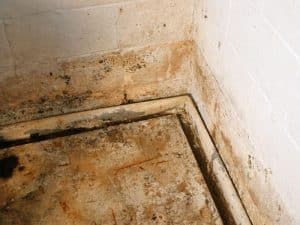
Mold growth in corners or along walls
If these signs are present, moisture levels in the basement are likely too high.
Why a Dehumidifier Only Treats the Symptoms
Dehumidifiers are designed to remove moisture from indoor air. While they can improve comfort, they do not stop moisture from entering the basement.
Think of it like trying to dry a floor while water continues to drip from above. The dehumidifier keeps working, but the source of moisture remains.
If groundwater pressure, foundation cracks, or drainage problems are allowing moisture to enter, humidity will continue returning no matter how long the dehumidifier runs.
In some cases, homeowners end up running dehumidifiers constantly, increasing energy costs without solving the underlying issue.
Hidden Damage Caused by Basement Humidity
Many people think humidity is only a comfort issue. In reality, excess moisture can lead to several long-term problems.
Mold and Mildew Growth
High humidity creates the perfect environment for mold spores to grow. Mold can develop on walls, insulation, wood framing, and stored items.
Structural Material Damage
Wood beams and framing exposed to constant moisture can weaken over time. Metal components may also rust.
Indoor Air Quality Problems
Humid, moldy air from the basement can circulate through the home. This may trigger allergies or respiratory irritation.
Damage to Stored Belongings
Furniture, clothing, cardboard boxes, and electronics stored in damp basements can deteriorate quickly.
Addressing humidity early helps prevent these issues from developing.
The Most Common Sources of Basement Moisture
If basement humidity continues despite using a dehumidifier, the moisture is likely entering through one or more of these pathways.
Foundation Cracks
Even small cracks in basement walls or floors allow moisture vapor and groundwater to enter.
Floor-Wall Joints
The joint where the floor meets the wall is a common entry point for water under pressure.
Poor Exterior Drainage
Water pooling around the foundation increases moisture intrusion through walls and floors.
Inadequate Drainage Systems
Older homes may lack proper drainage systems to relieve groundwater pressure around the foundation.
Waterproofing Solutions That Address the Root Cause
Instead of continuously removing humidity from the air, professional waterproofing focuses on preventing moisture from entering the basement.
Common long-term solutions include:
Interior Drainage Systems
Interior drainage channels collect groundwater before it spreads across the basement floor and direct it to a sump pump.
Sump Pump Systems
A properly installed sump pump removes collected water and directs it away from the foundation.
Wall Vapor Barriers
Vapor barriers prevent moisture from evaporating into basement air while guiding water toward drainage systems.
Foundation Crack Repair
Sealing cracks stops moisture intrusion and prevents small problems from becoming larger structural issues.
Together, these systems control moisture at its source.
Why Professional Evaluation Matters
 Every basement is different. Soil conditions, foundation type, and drainage patterns all influence how moisture behaves around a home.
A professional inspection looks at the entire system, including:
-
Exterior grading and drainage
-
Foundation condition
-
Signs of hydrostatic pressure
-
Interior humidity levels
-
Existing waterproofing systems
This allows specialists to design a solution that truly solves basement humidity problems rather than just managing symptoms.
FAQs About Basement Humidity Problems
What humidity level is too high for a basement?
Humidity above about 60 percent can create conditions favorable for mold growth.
Can opening windows reduce basement humidity?
Sometimes it helps temporarily, but humid outdoor air can actually increase indoor moisture.
Do all basements need dehumidifiers?
Not always. A properly waterproofed basement often maintains lower humidity naturally.
Is humidity a sign of a bigger problem?
Often, yes. Persistent humidity usually indicates moisture intrusion or poor drainage around the foundation.
Final Thoughts
Basement humidity problems are common, but they rarely resolve themselves. While dehumidifiers can improve comfort temporarily, they do not address the underlying causes of moisture intrusion.
Identifying where moisture is entering the basement and controlling it at the source is the most effective way to protect your home.
If your basement continues to feel damp despite using a dehumidifier, a professional inspection can uncover the real cause and provide a long-term solution that keeps the space dry and healthy.


Contact Information:
ARK Basement Services
4208 Harding Drive
Erie, PA 16509
United States
Mike Perry
(866) 939-2837
https://www.arkbasementservices.com/
